
Development & Policy

Charlotte's 2026 Developmental Milestones: From Camp North End to the I-77 Expansion

February 2026: A strategic evaluation of the macro-developments reshaping the Queen City.
By , REALTOR®Citadel Cofield (Charlotte, NC)

While much of the local dialogue in Charlotte right now centers on neighborhood-level rezonings, the true trajectory of the city is being written by massive, billion-dollar infrastructure and institutional capital moves.

As of February 2026, Charlotte is undergoing a fundamental transition. The "Queen City" is no longer just managing growth; it is attempting to engineer a world-class, globally competitive urban landscape. Here is a strategic evaluation of the macro-developments reshaping the region this year.

The Institutionalization of Camp North End

The most significant shift in Charlotte's commercial real estate landscape occurred on February 12, 2026, when global real estate investment firm Jamestown announced it had joined the ownership group of Camp North End as the General Partner.

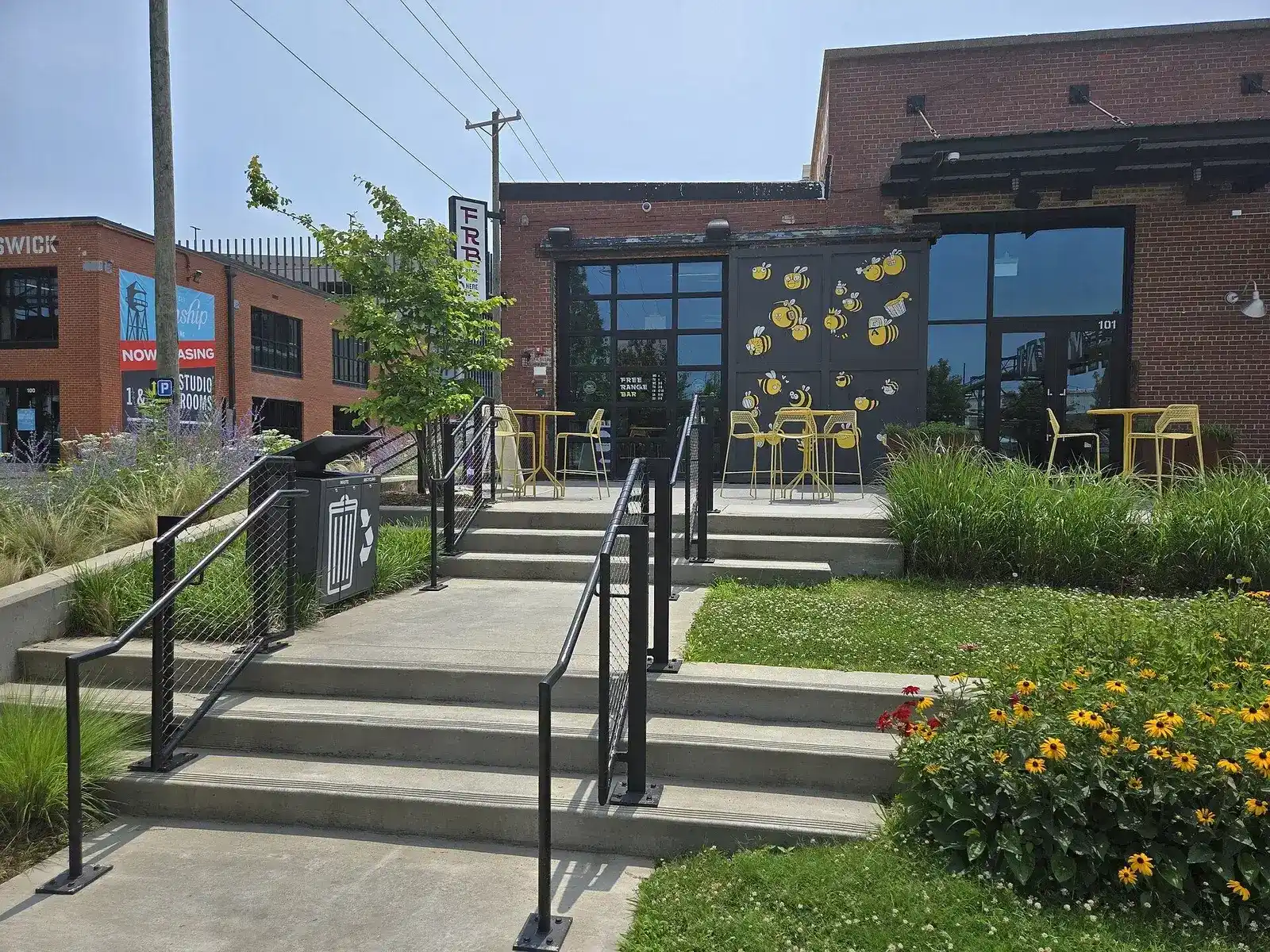
Originally a 1924 Ford Model T plant and later a military missile facility, the 76-acre campus has been a triumph of adaptive reuse under ATCO Properties & Management. However, the entry of Jamestown signals a move from "restoration" to "skyline-altering density."

The Camp North End Expansion by the Numbers:

  • Restored Area to Date: 500,000 Square Feet
  • Annual Attendance: 1 Million+ Visitors (as of 2025)
  • Future Entitlements: 3.2 Million Square Feet

With ATCO retaining operation of the newly completed "Kinship" multifamily project and Shorenstein maintaining a stake, Jamestown and their advisors are positioned to introduce high-rise office and residential structures to the North End that could soon rival Uptown Charlotte in scale.

The I-77 Toll Lane Conflict: Mobility vs. Community

If Camp North End represents the success of private capital, the ongoing Interstate 77 toll lane project represents the friction of public infrastructure.

This $3.2 billion initiative aims to extend express lanes from the center city to the South Carolina line. The primary point of contention is the NCDOT's proposal to build elevated toll lanes through Uptown.

The Opposition

Organizations like Sustain Charlotte and leaders from West Charlotte neighborhoods argue this elevated design will create a "towering concrete wall," increasing noise pollution and disproportionately impacting Black and brown communities.

The "Cap-and-Stitch" Alternative

Community advocates are pushing for a solution where transportation sales tax revenue is used to build park-like caps over the highway. This method effectively buries the infrastructure, turning concrete divides into green spaces that stitch neighborhoods back together.

The City Council's ultimate stance on this project will dictate the physical and social connectivity of Charlotte for the next fifty years.

Building Resilient Social Infrastructure

To balance this massive corporate and structural growth, Mecklenburg County is actively investing in localized, specialized infrastructure to support its population.

The CPCC Community Lifeline Initiative

Led by Central Piedmont Community College (CPCC), this is a transformative $118 million public safety training program funded primarily by the county, with land donated by Hendrick Automotive Group. Slated to be fully operational by 2028, it addresses the urgent need for faster, more coordinated emergency responses.

  • Real-World Simulation: The campus will feature full-scale mockups of single-family homes, townhouses, and even a hospital/hotel environment.
  • Tech Integration: First responders will train using VR, drone technology, and high-speed driving tracks.

The Eastway Skybridge

On a micro-level, the county recently completed a 200-foot pedestrian skybridge funded by the American Rescue Plan Act (ARPA). Connecting the Eastway Regional Recreation Center with the Ella B. Scarborough Community Resource Center, this project proves that safe, pedestrian-first infrastructure is a highly effective way to build the "10-Minute Neighborhoods" envisioned in the Charlotte 2040 Plan.

Charlotte on the Global Stage

These projects do not exist in a vacuum; they reflect broader global trends in urban evolution.

For comparison, Houston recently announced the "Toro District"—an 83-acre public-private partnership anchored by the Houston Texans, projected to generate a $34 billion economic impact. Much like Camp North End, the Toro District uses a massive footprint to drive workforce development, local hiring, and community services.

Charlotte is playing on this exact tier. The professionalization of our urban management, driven by Tier-1 institutional capital and advanced data-driven planning, means that every infrastructure choice today is a calculated component of a much larger economic machine.

As we watch these 2026 milestones unfold, the ultimate success of Charlotte's growth will depend on ensuring that billion-dollar investments serve the common good just as effectively as they serve the bottom line.

Compliance & Disclaimer

This article is for educational and informational purposes only. Development timelines, project scopes, and infrastructure plans are subject to change. Verify current information through official City of Charlotte, NCDOT, and Mecklenburg County channels.

We comply with Fair Housing laws and the NAR Code of Ethics. This content does not constitute legal, tax, or investment advice. No agency relationship is created by this article.

Find Your Place in the New Charlotte

With massive investments in infrastructure, green spaces, and neighborhood connectivity, there has never been a better time to invest in Charlotte real estate. Want to know which neighborhoods stand to benefit the most from these 2026 developmental milestones? At Citadel Cofield, we can help you find a home that grows with the city.

    Charlotte's 2026 Developmental Milestones: Camp North End to I-77 Expansion | Citadel Cofield