Growth Hub Analysis

The Indian Land Development Freeze: Why Existing Inventory is Now the Best Investment in Lancaster County

By Carnarri Cofield, REALTOR®Citadel Cofield (Charlotte, NC)

As of late 2025/early 2026, Lancaster County has implemented a 9-month moratorium on new residential developments in Indian Land. This isn't just a planning pause—it's a market event that creates a unique window for sellers. Here's why existing homes and already-approved land are now significantly more valuable.

"When new supply is paused until July 2026, but demand for Fort Mill schools and Charlotte proximity continues, existing inventory becomes the only game in town. This is the seller's window before the next construction wave hits."

The Moratorium: Understanding the Numbers

Lancaster County's 9-month development freeze means no new residential construction projects can be approved in Indian Land until approximately July 2026. This creates a fundamental shift in market dynamics: demand continues (driven by Fort Mill schools, Charlotte proximity, and South Carolina tax advantages), but new supply is frozen.

The economics are straightforward: when supply is constrained but demand remains strong, existing inventory becomes more valuable. Buyers who want to move to Indian Land for Fort Mill schools or Charlotte access have fewer options—they can't wait for new construction that won't be approved until after July 2026.

This creates a "scarcity effect" that typically benefits sellers. Existing homes face reduced competition from new construction, while already-approved developments become premium assets because they represent the only new construction option available during the freeze.

Key Market Factors: January 2026

9-Month Development Freeze

Lancaster County's moratorium on new residential developments runs through approximately July 2026. No new construction projects can be approved during this period, creating a temporary supply constraint that benefits existing inventory.

The Selling Window

The current period represents a unique opportunity for sellers. Existing homes face reduced competition from new construction, while demand remains strong due to Fort Mill schools and Charlotte proximity. This window may close once the moratorium ends.

Already-Approved Land Value

Developments that were approved before the moratorium can proceed, making them even more valuable. These represent the only new construction option available during the freeze, creating premium pricing opportunities for approved projects.

Why This Matters for Indian Land Sellers

For sellers, the moratorium creates a unique opportunity window. Existing homes face less competition from new construction, which typically leads to stronger pricing and faster sales. The demand drivers (Fort Mill schools, Charlotte proximity) haven't changed—but the supply of new homes has been temporarily frozen.

The timing is critical. The moratorium is scheduled to end around July 2026. Once it lifts, a new wave of construction approvals will likely follow, adding new supply to the market. Sellers who act before this wave can avoid the increased competition that will come when new developments hit the market.

Already-approved developments become premium assets during the moratorium. If you own land or a development that was approved before the freeze, you're sitting on one of the only new construction options available until July 2026. This creates significant pricing power and buyer interest.

Strategic Implications for Property Owners

The Scarcity Effect

When new supply is frozen but demand continues (Fort Mill schools, Charlotte proximity), existing inventory becomes more valuable. Buyers have fewer options, which typically leads to increased competition and stronger pricing for available homes.

The Pre-Wave Advantage

Selling before the moratorium ends (around July 2026) means avoiding competition from the next wave of new construction. Once the freeze lifts, new developments will add supply to the market, potentially changing pricing dynamics for existing homes.

The Approved Development Premium

Land and developments that were already approved before the moratorium become premium assets. They represent the only new construction option during the freeze, making them highly valuable to buyers who want new construction but can't wait for post-moratorium projects.

The Timeline: Understanding the Window

Now - July 2026

The Moratorium Window

No new residential developments can be approved. Existing inventory and already-approved projects represent the only options for buyers. This creates reduced competition and stronger pricing for sellers.

July 2026

Moratorium Scheduled to End

The development freeze is scheduled to lift, allowing new construction approvals. However, moratorium timelines can be extended or modified based on county planning decisions.

Post-July 2026

The Next Construction Wave

Once the moratorium ends, new development approvals will likely follow. This will add new supply to the market, potentially changing pricing dynamics and competition levels for existing homes.

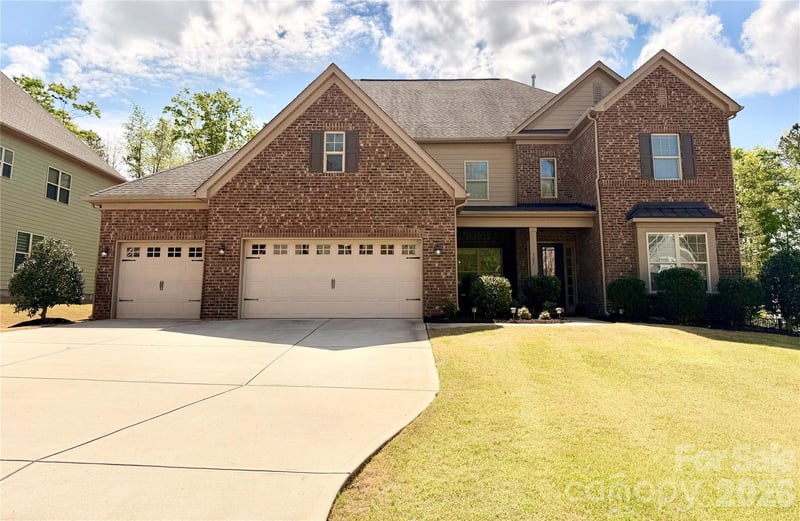
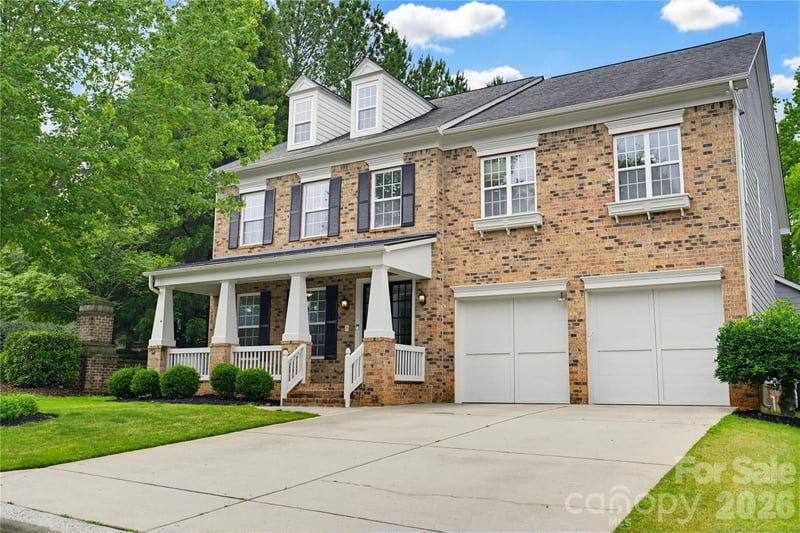
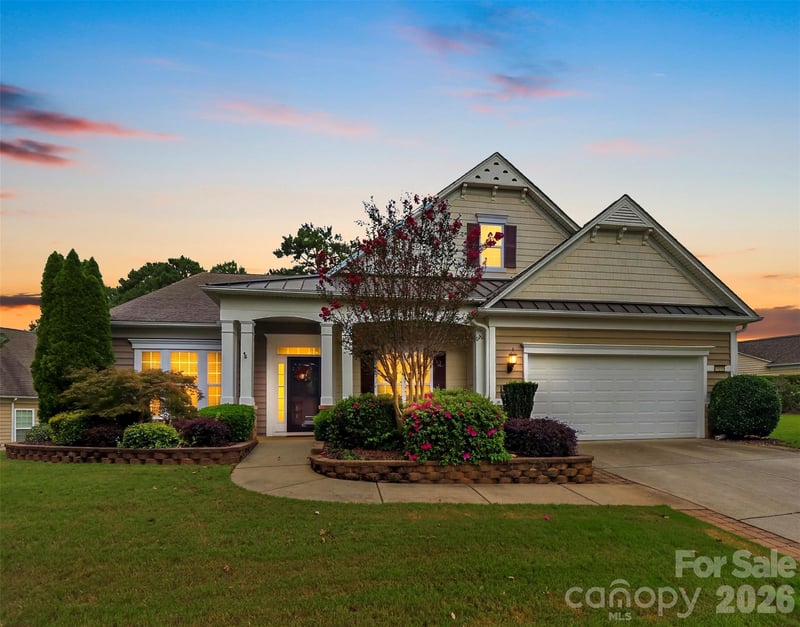
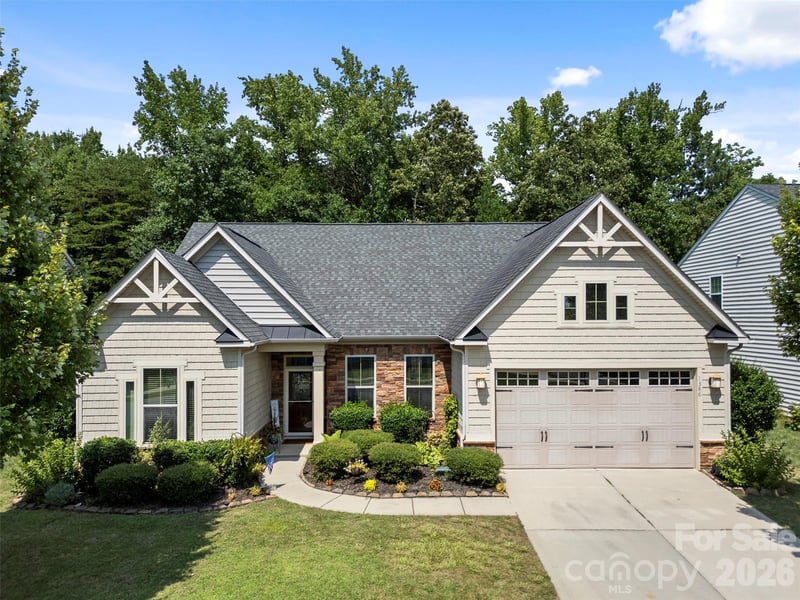
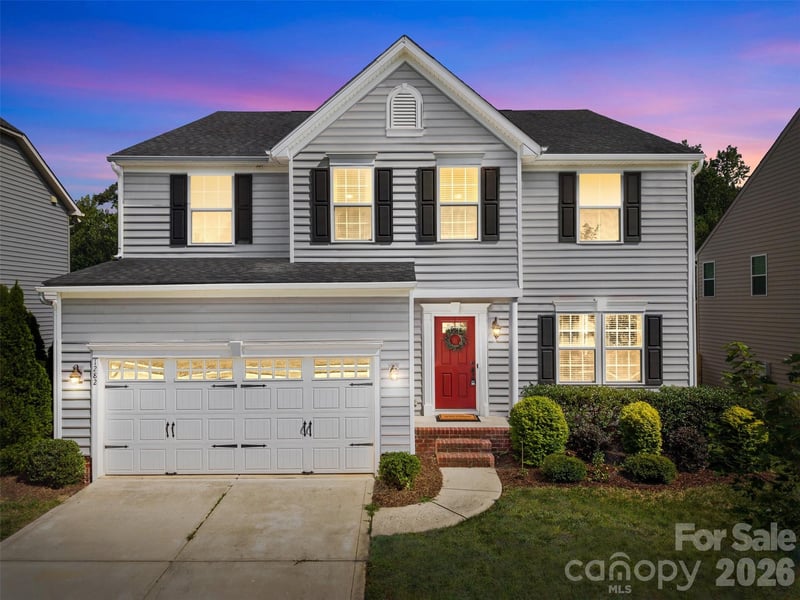
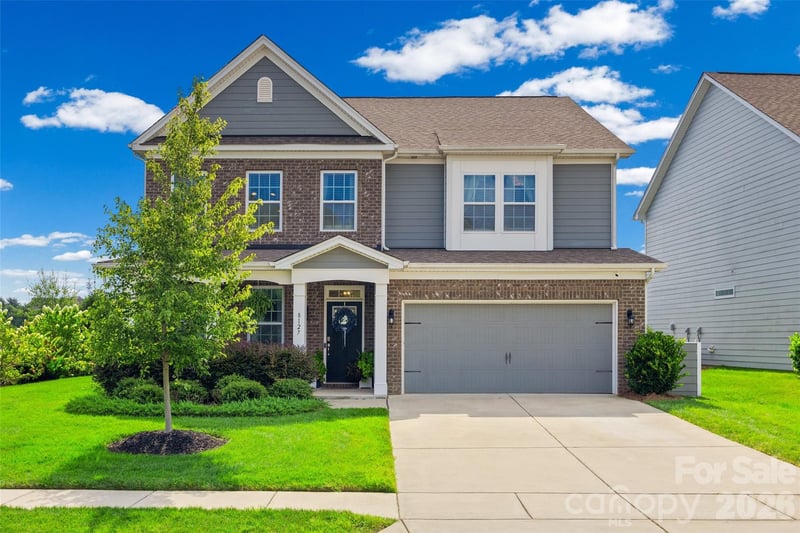
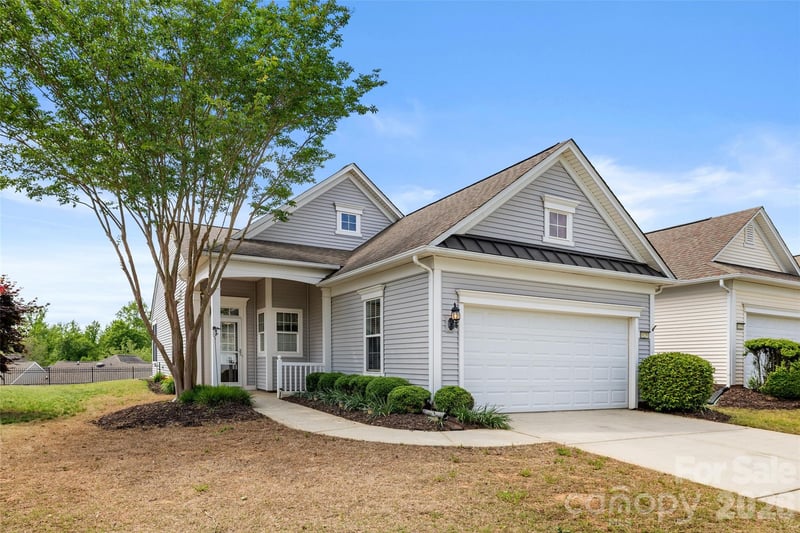
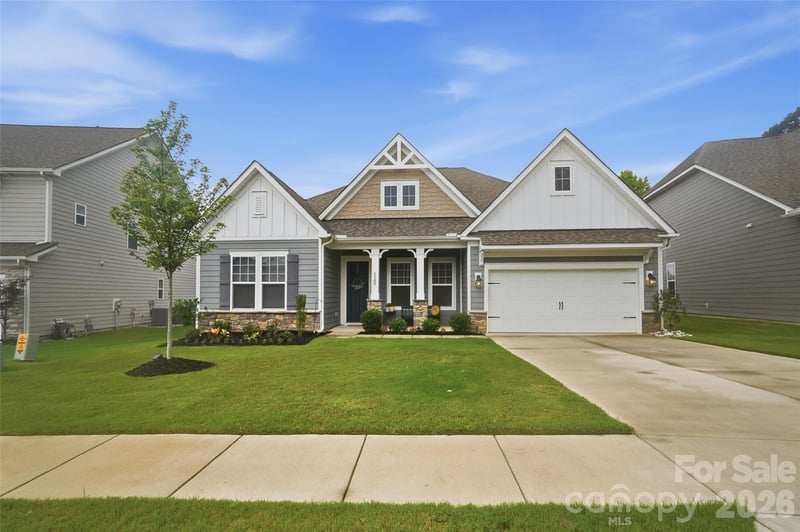
Featured Properties

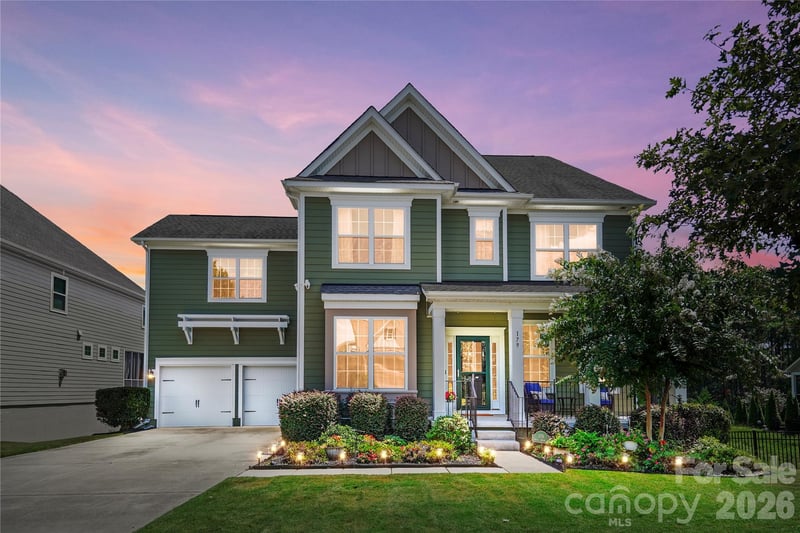
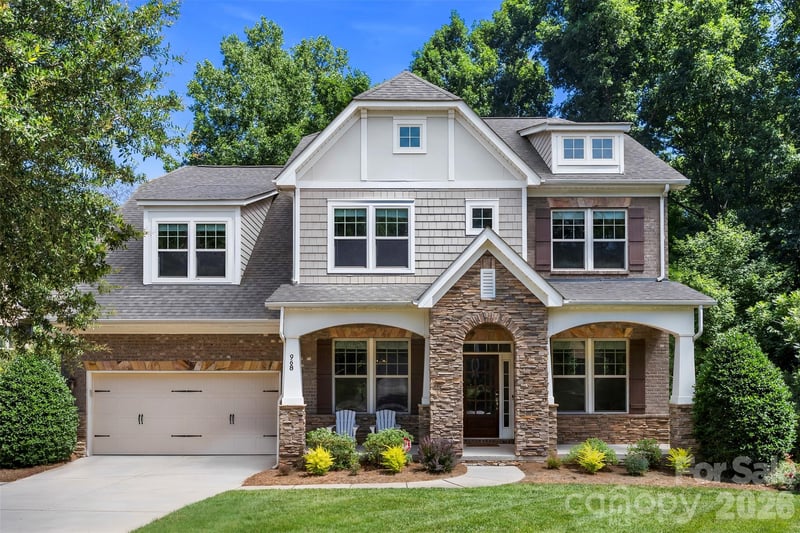
Homes in Indian Land

Listing information © 2026 Canopy MLS. All rights reserved. Information deemed reliable but not guaranteed. Equal Housing Opportunity.

Equal Housing Opportunity

Indian Land Development Freeze FAQ

What is the Indian Land development moratorium?

Lancaster County has implemented a 9-month moratorium on new residential developments in Indian Land, effective through approximately July 2026. This means no new residential construction projects can be approved during this period, creating a temporary supply constraint that increases the value of existing inventory and already-approved developments.

Why does the moratorium make existing homes more valuable?

When new supply is paused, existing inventory becomes more valuable because buyers have fewer options. The moratorium creates a temporary scarcity effect—demand continues (especially with Fort Mill schools and Charlotte proximity), but new construction supply is frozen. This typically leads to increased competition for existing homes and already-approved developments.

When will the moratorium end?

The moratorium is scheduled to last approximately 9 months, ending around July 2026. However, moratorium timelines can be extended or modified based on county planning decisions. Sellers should understand that the current window of opportunity—where existing inventory has reduced competition from new construction—may be time-limited.

Should I sell my Indian Land home now or wait?

The moratorium creates a unique selling window where existing inventory faces less competition from new construction. However, once the moratorium ends (around July 2026), a new wave of construction could increase supply and change market dynamics. Sellers should consult with a real estate professional to analyze their specific situation, timeline, and market position.

What happens to already-approved developments during the moratorium?

Developments that were already approved before the moratorium can typically proceed. This means already-approved land and developments become even more valuable because they represent the only new construction option available during the freeze period. Understanding which developments have approval status is crucial for buyers and sellers.

Compliance & Disclaimer

Carnarri Cofield is a licensed real estate broker with Citadel Cofield in Charlotte, NC. This article is provided for educational and informational purposes only. Moratorium timelines and county planning decisions are subject to change.

All information about the Indian Land development moratorium is based on publicly available information as of January 2026. Moratorium end dates, extension possibilities, and county planning decisions are subject to change. Readers should verify current information through official Lancaster County channels.

We strictly adhere to all Fair Housing laws and the NAR Code of Ethics. This information should not replace professional legal, financial, or investment advice. Individual property outcomes vary based on specific location, condition, and market factors.

Own Property in Indian Land?

Understanding how the development moratorium affects your property's market position is critical. Get expert guidance on selling in Indian Land during this unique market window.

Moratorium impact analysis. Seller's window strategy. Your advantage in Indian Land, SC.

Citadel Cofield - Charlotte Real Estate Brokerage

Trusted by Carolina Families. Your Property, Our Priority.

Connect:

YOUR FORTRESS. OUR FOUNDATION.

Rooted in the Carolinas. Managed for generations.

Helping you find home in Charlotte and across the Carolinas.

REALTOR®|Equal Housing Opportunity|MLS GRID

© 2026 CITADEL COFIELD · CHARLOTTE, NORTH CAROLINA

LICENSED IN NORTH CAROLINA & SOUTH CAROLINA

ALL PHOTOS AND VIDEOS © CITADEL COFIELD. ORIGINAL CONTENT.

SITE WILL BE MONITORED FOR "SCRAPING" AND ANY USE OF SEARCH FACILITIES OF DATA ON THE SITE OTHER THAN BY POTENTIAL BUYERS/SELLERS IS PROHIBITED.

Agency Disclosures·Privacy Policy·DMCA Notice·Sitemap·Designed & Developed by Citadel Cofield

Citadel Cofield | 400 E Brooklyn Village Ave, Charlotte NC 28202 | Agent: Carnarri Cofield | +1-843-680-2084